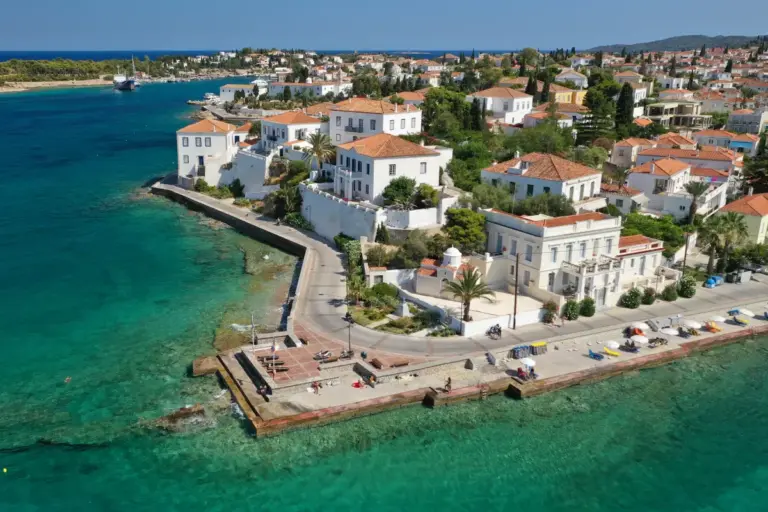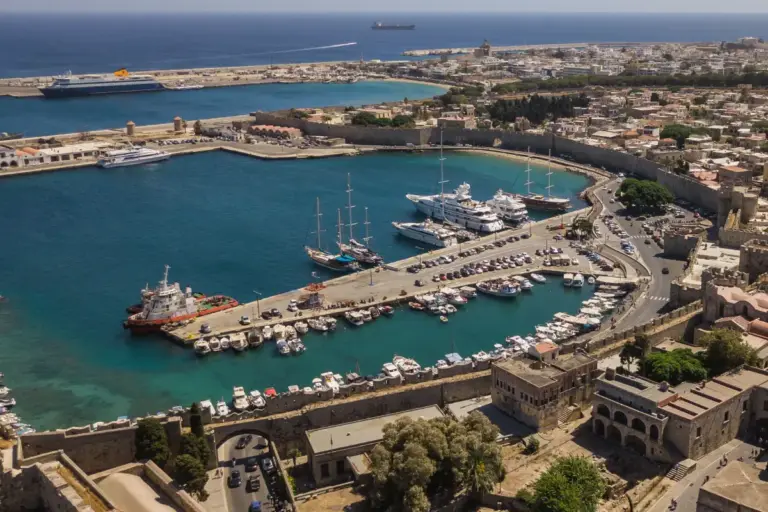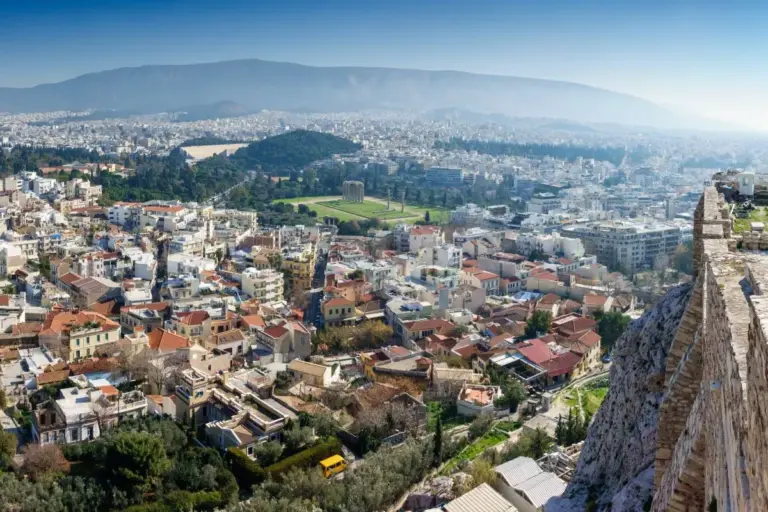

When considering property in Greece, many buyers focus on well-known destinations with established tourism profiles. However, a number of Greek islands operate outside these high-visibility markets and offer different advantages for buyers with a long-term perspective.
Why consider lesser-known Greek islands
When buying property in Greece, many international buyers naturally focus on well-known destinations with strong tourism profiles. However, beyond these established markets lies a group of islands that attract buyers looking for long-term stability rather than short-term visibility. Choosing a lesser-known island is often a strategic decision, not a compromise.
Compared to highly publicised destinations, secondary island markets tend to experience lower competition and less speculative pricing. Demand is driven more by real usage than by short-term investment trends, which can result in more balanced property values and fewer abrupt market shifts. For buyers planning to use the property regularly or hold it over time, this can translate into greater predictability.
Another key difference lies in the structure of local communities. Many lesser-known islands support year-round populations with functioning services, schools, healthcare access, and stable local economies. This makes them particularly suitable for buyers interested in extended stays, partial relocation, or a property that remains usable beyond the peak tourist season.
Importantly, “lesser-known” does not mean less safe, less regulated, or less viable from a legal perspective. Property transactions on these islands follow the same national legal framework as anywhere else in Greece. The distinction is not legal reliability, but market profile. For buyers who value sustainability, continuity, and a measured approach to ownership, these islands often deserve careful consideration.
If you are still weighing up whether a well-known or lesser-known island better suits your needs, read our guide on the best islands to buy a house in Greece in 2026, which covers the main established island markets in detail.
What to look for when buying on a lesser-known island
Buying property on a lesser-known Greek island requires a more practical and forward-looking evaluation than in highly touristic locations. While the legal framework is the same nationwide, local conditions can have a significant impact on how usable, manageable, and resilient a property will be over time.
One of the first factors to assess is transport connectivity. This includes not only whether an island has an airport or ferry port, but also the frequency and reliability of connections throughout the year. Seasonal reductions in transport links can affect accessibility, maintenance planning, and rental potential.
Equally important is the presence of a permanent population and year-round services. Islands with stable local communities tend to offer essential infrastructure such as shops, schools, and municipal services outside the summer season. This contributes to livability and reduces dependence on short-term tourism cycles.
Healthcare access and administrative support should also be considered carefully. Buyers should understand where the nearest medical facilities are located, how administrative matters are handled locally, and whether certain procedures require travel to larger islands or the mainland. These elements are often overlooked but can become critical over time.
From a legal and planning perspective, zoning rules, building regulations, and protected areas play a central role, particularly on smaller islands with environmental or cultural protections. Restrictions on construction, renovation, or future development can affect both use and value, making proper legal and urban planning checks by a property lawyer essential before committing.
Finally, buyers should consider liquidity and long-term market outlook. Properties on lesser-known islands may take longer to resell and are less influenced by short-term market trends. For buyers with a long-term horizon, this can be an advantage, provided expectations around exit timing and pricing are realistic from the outset.
Lesser-known Greek islands with strong property potential
The islands listed below are not obscure or undeveloped, but they operate outside the high-visibility circuits of mass tourism and speculative property demand. Most support permanent populations, year-round services, and functioning local economies, making them more suitable for buyers with a long-term perspective.
Rather than offering rapid turnover or headline exposure, these islands tend to attract owners who value continuity, usability, and measured growth. Understanding their character, infrastructure, and market dynamics is essential to assessing whether they align with personal or investment objectives.
Kefalonia
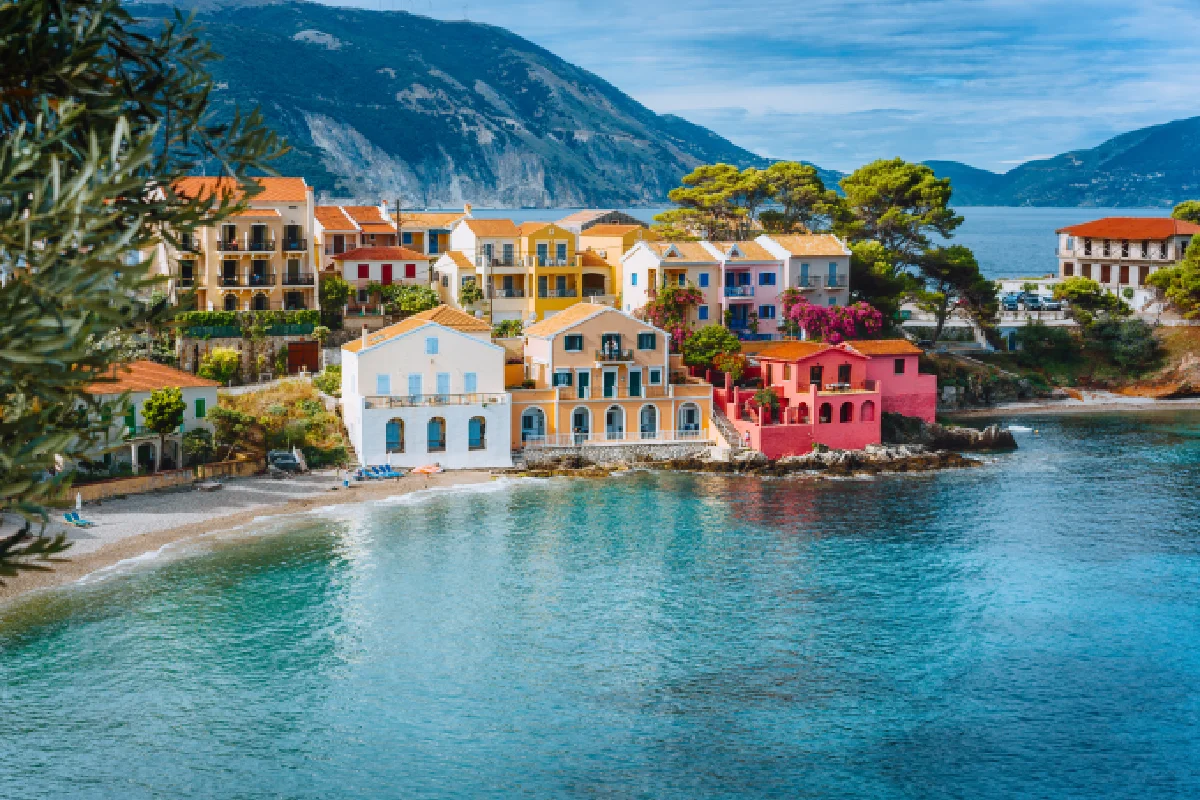
Kefalonia is one of the largest Ionian islands and combines dramatic landscapes with a well-developed road network and an international airport. The island supports a mix of local communities, agriculture, and tourism, without being dominated by mass development. Property demand is steady rather than speculative, making Kefalonia suitable for buyers seeking long-term use, good services, and reliable accessibility throughout the year. Prices range from approximately €1,500 to €2,500 per square metre in coastal and residential areas, with significant variation between the main towns and more remote locations, according to Spitogatos data for 2025.
Lefkada
Lefkada is unique among Greek islands for its direct road connection to the mainland, allowing easy access without reliance on ferries. This practical advantage supports year-round living and simplifies maintenance and logistics. Interest in property has grown gradually, particularly in coastal areas, but development remains controlled. Careful attention to planning and building regulations is essential, as protected zones are common. Prices typically range from €1,400 to €2,200 per square metre, with coastal positions commanding the upper end of this range.
Syros
As the administrative capital of the Cyclades, Syros differs markedly from its neighbouring islands. It has a strong year-round population, public services, hospitals, schools, and a functioning local economy beyond tourism. The property market is largely residential, with less emphasis on short-term rentals. Syros is particularly well suited to buyers considering extended stays or permanent relocation rather than seasonal use. Prices in Ermoupoli and the main residential areas run from approximately €1,500 to €2,500 per square metre, reflecting the island’s administrative status and permanent population.
Samos
Samos is a large Aegean island with a diverse economy that includes agriculture, education, and local industry alongside tourism. Its size supports multiple towns and established communities, offering a sense of continuity and everyday life. Property prices remain relatively moderate, and the island appeals to buyers prioritising space, privacy, and a slower pace over proximity to high-volume tourist destinations. Prices are generally in the €800 to €1,600 per square metre range, with newer or better-positioned properties toward the upper end, according to Spitogatos data for 2025.
Lesvos
Lesvos is one of Greece’s largest islands and supports extensive year-round infrastructure, including healthcare, education, and transport links. The property market is accessible and primarily driven by local demand rather than tourism. While less suitable for short-term rental strategies, Lesvos works well for buyers seeking long stays, remote working arrangements, or gradual relocation within a stable community context. Entry-level prices start from around €700 to €1,200 per square metre, making it one of the more accessible larger islands.
Karpathos
Karpathos is characterised by strong local traditions, limited development, and a tightly controlled property market. Supply is naturally restricted by geography and planning rules, which helps maintain long-term balance. The island attracts buyers looking for continuity and authenticity rather than rapid growth. Accessibility and construction regulations require careful evaluation, making advance planning particularly important. Limited supply keeps prices relatively stable at approximately €1,200 to €2,000 per square metre, with coastal positions carrying a premium.
Ikaria
Ikaria is known for its distinctive social culture and small, resilient communities. The property market is limited in size, with stable but low transaction volume and little speculative activity. Demand is driven almost entirely by lifestyle considerations rather than investment. Ikaria suits a narrow buyer profile: those seeking permanence, simplicity, and integration into a local community over commercial returns. Transaction volume is low and prices are modest by Greek island standards, typically €600 to €1,200 per square metre, reflecting the island’s limited market activity.
Risks and limitations of buying on lesser-known islands
Buying property on a lesser-known Greek island can be a sound long-term decision, but it also involves specific limitations that should be understood in advance. Being clear about these factors helps buyers assess suitability realistically and avoid assumptions based on more liquid or tourist-driven markets.
One of the main considerations is lower liquidity. Property markets on smaller or less visible islands tend to have fewer transactions, which means resale can take longer and price movements are generally slower. This is not necessarily a disadvantage for long-term owners, but it requires realistic expectations around exit timing.
Seasonal access is another important factor. Transport connections may be reduced outside peak periods, affecting travel flexibility, property maintenance, and, where relevant, rental use. Buyers should evaluate not only whether an island is accessible, but how consistently it remains so throughout the year.
There may also be a more limited resale market, particularly for properties that are highly specific in location, size, or style. Demand is often driven by a narrow buyer profile, making it essential to choose a property that aligns with how the local market actually functions, not just personal preferences.
Because of these constraints posing potential risks, thorough legal and technical due diligence is essential. Planning rules, building restrictions, protected zones, and infrastructure limitations can have a greater impact on smaller islands. Proper verification before purchase is key to ensuring that the property can be used, maintained, and transferred as intended.
Finally, it is important to recognise that not all islands suit all buyers. Lesser-known destinations tend to reward buyers with clear priorities and a long-term outlook. Evaluating lifestyle expectations, practical needs, and future flexibility is as important as assessing the property itself.
Who these islands are not for
Lesser-known Greek islands are not a universal solution, and recognising who they may not suit is an important part of making a balanced, informed decision. These markets tend to reward patience, flexibility, and a long-term outlook rather than speed or immediate returns.
They are generally not suitable for buyers seeking high liquidity or short-term resale opportunities. If the primary objective is to buy and resell quickly, or to rely on constant market demand, more established and visible destinations may be more appropriate.
They may also not be ideal for those who require frequent, effortless access or depend on year-round high-frequency transport connections. Seasonal schedules and weather-related disruptions are part of island life, and buyers should be comfortable planning around them.
Finally, these islands are less suited to buyers looking for purely investment-driven purchases with intensive short-term rental strategies or hands-off management expectations. Ownership on a lesser-known island often involves a more personal, engaged approach, where usability, integration into the local context, and long-term planning matter more than scale.
Being clear about these limitations does not reduce the value of these destinations. On the contrary, it helps ensure that buyers choose an island that genuinely fits their priorities, rather than one that appears attractive in theory but proves impractical in reality.
Practical advice before choosing a lesser-known island
Before committing to a property purchase on a lesser-known Greek island, buyers should take time to assess the location beyond its immediate appeal. One of the most effective steps is to visit the island outside the peak tourist season. This provides a clearer picture of daily life, accessibility, and the availability of services when visitor numbers are lower.
Healthcare access and public services should be evaluated carefully, particularly for buyers planning extended stays or future relocation. Understanding where the nearest hospital is located, how emergency services operate, and whether administrative matters can be handled locally helps avoid difficulties later on.
From a legal perspective, it is essential to verify the status of the property thoroughly. On smaller islands, planning restrictions, protected zones, and limitations on construction or renovation can be more common. Proper legal and urban planning checks ensure that the property can be used as intended and maintained over time.
Finally, buyers should align expectations with long-term use rather than short-term trends. Lesser-known islands tend to reward owners who plan for continuity and adaptability, making it important to choose a property that fits realistic lifestyle and ownership goals.
Before you commit to an island property
Choosing a lesser-known Greek island does not mean compromising on safety, legal certainty, or quality of ownership. These destinations often offer stable communities, balanced property markets, and a pace of life that appeals to buyers with a long-term perspective.
The legal due diligence for a property on Kefalonia, Samos, or Karpathos is the same process as anywhere else in Greece, and the same risks apply: title verification, planning compliance, cadastral checks, tax clearance. The island context may add specific considerations, from seasonal accessibility to protected zones. An In-Depth Property Consultation is the right way to understand the legal position of a specific island property before you commit to it.