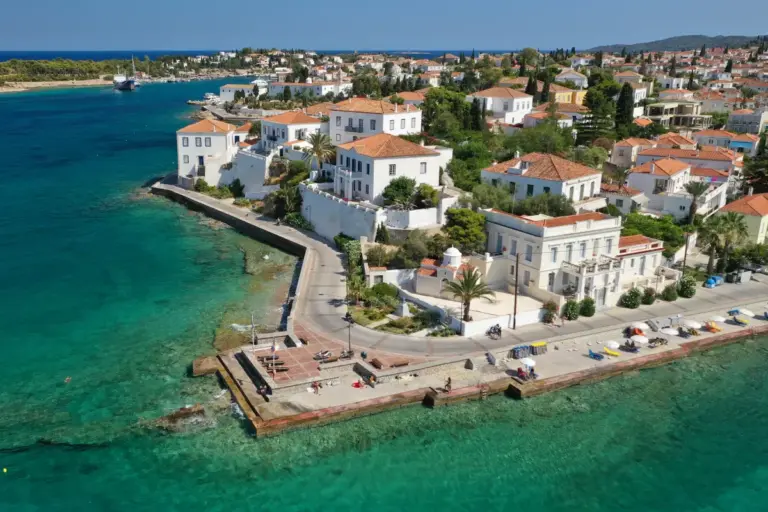

Greece has become one of the most popular destinations for international property buyers. However, the difference between people’s expectations and the actual costs can be significant. This guide answers the question that most buyers ask first: how much money do you realistically need to buy property in Greece? Rather than providing a statistical overview of the market, it offers a practical breakdown of what your budget will get you, where it will get you it, and what the total cost will look like once taxes and fees are added to the asking price.
What do houses in Greece actually cost? The short answer
Residential property prices in Greece range from approximately €1,000 to €1,500 per square metre in less popular inland areas and smaller cities, up to €4,000 to €7,000 or more per square metre in prime locations like central Athens, the Athenian Riviera, Mykonos, and Santorini. A mid-sized apartment of 70 to 90 square metres in a popular tourist area typically costs between €150,000 and €350,000. That is the quick answer.
The longer answer is that prices in Greece vary enormously based on four factors: location (a coastal property on a Cycladic island and an inland property in the Peloponnese are not the same market), property type (apartment versus detached house versus villa), proximity to the sea (waterfront properties command a substantial premium over properties even 500 metres inland), and condition (a renovated property and a property requiring full renovation can differ by 50% or more in the same street).
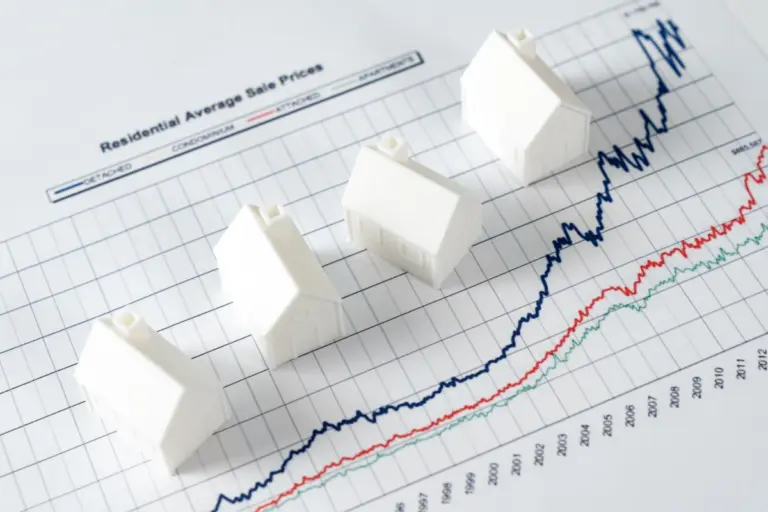
Greek property prices have been rising steadily since 2018. According to Bank of Greece data, residential property prices increased by approximately 7.7% year-on-year in Q3 2025, following average annual growth of around 9% in 2024. Greece is no longer the ultra-cheap post-crisis market it was five years ago. But it remains significantly more affordable than most Western European property markets, and the range of what is available at different price points is genuinely wide.
What your budget gets you: three realistic scenarios
Rather than providing prices per square metre by region, which is useful for analysts but difficult for buyers to understand, here is what your money actually buys at three different budget levels.
Budget up to €150,000 to €200,000
This is the entry-level price for international buyers. For this budget, you can expect a small to mid-sized apartment (40–70 square metres) in a mid-tier tourist area, or a larger property in a less popular location. Realistic options include apartments in the Peloponnese, Epirus or on the mainland coast; older apartments in provincial cities such as Patras, Volos or Kavala; smaller units on less visited islands such as Leros, Symi and Ikaria; and renovation projects in coastal villages in Crete and the Dodecanese.
Properties at this level are typically functional but not modern, often 20 to 40 years old and sometimes requiring cosmetic updates. While proximity to the sea is possible, waterfront properties are rare at this budget in established tourist areas. Many properties in this price range are located on islands or in areas with seasonal access, such as ferry-only destinations or places with seasonal flights.
Budget €200,000 to €500,000
This is where the Greek property market becomes genuinely interesting for international buyers. The range of options available to you increases significantly: you could purchase a modern apartment ranging from 70 to 100 square metres in a popular island destination such as Crete, Rhodes, Corfu or Chalkidiki; a small villa or detached house with outdoor space on a mid-tier island or the Peloponnese coast; an apartment in a semi-central neighbourhood of Athens with good rental potential; or a renovated stone house in a sought-after Cretan or Ionian village.A relevant benchmark in this price range is that the Greek Golden Visa programme requires a minimum investment of €250,000 for certain categories (e.g. commercial-to-residential conversions), €400,000 for most regions, and €800,000 for prime locations such as Athens, Thessaloniki, Mykonos, and Santorini, as well as islands with over 3,100 residents. For buyers interested in residency through property investment, this budget tier is where the programme becomes accessible. For more information, please refer to our guide to the Greek Golden Visa.
Budget €500,000 and above
At this level, you are in the premium segment. Options include villas with private pools on popular islands such as Crete, Corfu, Paros and Naxos; sea-view properties on the Athenian Riviera in areas such as Glyfada, Voula and Vouliagmeni; luxury apartments in prime locations in Athens such as Kolonaki, Plaka and Pangrati; and high-end properties on Mykonos and Santorini. In particular, Mykonos and Santorini operate as distinct markets, with prices for quality villas regularly exceeding €1,000,000. Properties with views and proximity to the main towns can reach €3,000,000 to €5,000,000 or more.
Remember that the asking price is not the total cost for each scenario above. The next section explains what you pay on top of this.
How location drives price: a quick regional guide
Prices across Greece vary more by location than by almost any other factor. Here is a quick orientation by major region.
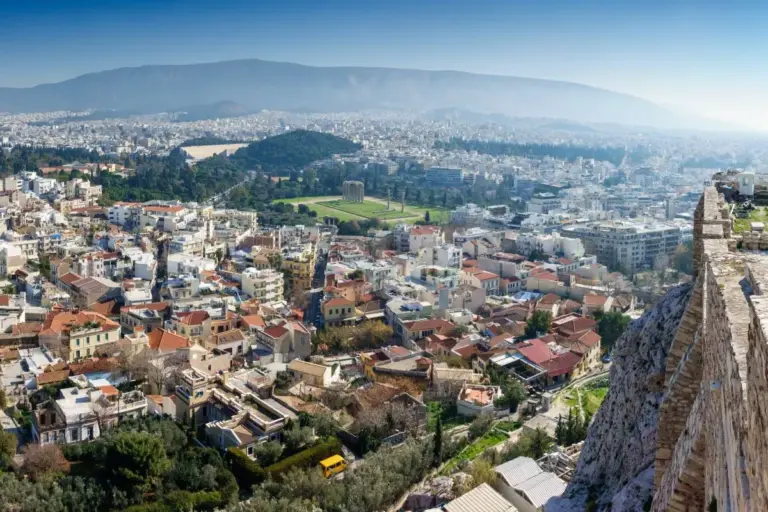
Athens and Attica boast the most diverse property market in Greece. Central areas average around €2,400–€2,600 per square metre, peripheral suburbs average €1,500–€2,000, and the southern Riviera suburbs (Glyfada, Voula and Vouliagmeni) average €4,000–€10,000+. Athens also offers the strongest rental yields of any Greek city, making it the most popular choice for income-focused buyers. For a full neighbourhood breakdown, see our guide to buying property in Athens.
Thessaloniki is more affordable than Athens, but is growing faster. According to Bank of Greece data, there was year-on-year growth of 9.6% in Q3 2025, with median asking prices around €2,600 per square metre. The city has strong, university-driven rental demand, a growing international buyer base and direct flight connections to many European cities.
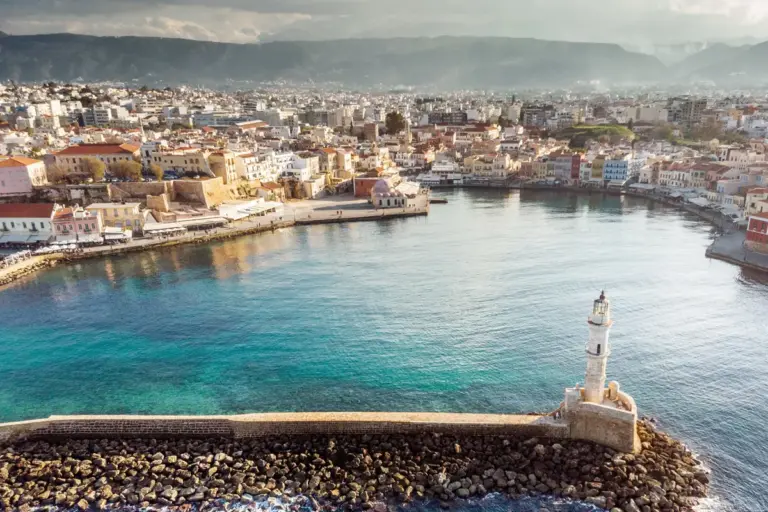
Crete is the largest island and the most popular destination for international buyers. Prices vary significantly across the island’s four provinces: In the most established coastal market of Chania, prices range from around €2,500 to €3,500 per square metre; in Heraklion, prices are more affordable at €1,800 to €2,500 per square metre; and in Rethymno and Lasithi, prices range widely from around €1,200 to above €4,000 for luxury properties in Elounda. For details by area, see our guide to buying property in Crete.
The Cyclades operate as a distinct premium market. Mykonos and Santorini are among the most expensive locations in Greece, with quality villas starting from €500,000 and often selling for several million euros. Paros and Naxos are more affordable, but prices are rising. Prices per square metre range from around €3,500 on the more affordable Cycladic islands to €10,000 or more on Mykonos for prime properties.
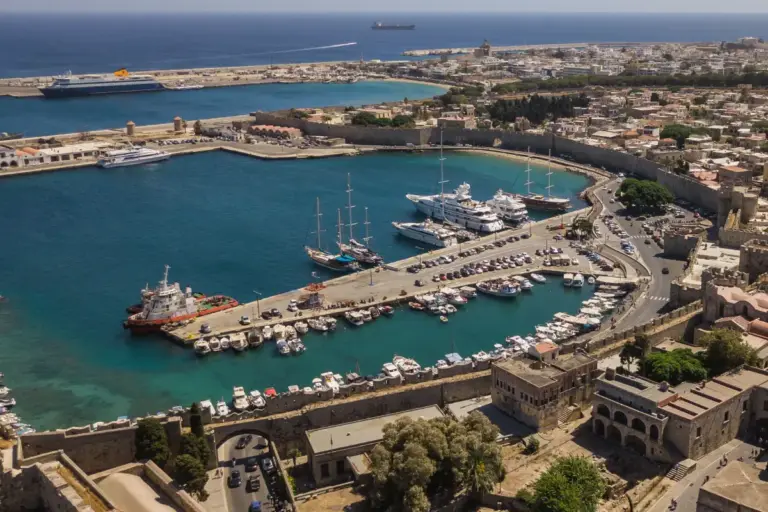
The Dodecanese islands (Rhodes and Kos) are cheaper than the Cyclades, with residential properties typically ranging from €2,000 to €3,500 per square metre. Good airport connections from many European cities, including direct flights from the UK, Germany and Scandinavia, sustain strong international demand. The Ionian Islands (Corfu, Kefalonia, Zakynthos and Lefkada) attract significant interest from the UK and other European countries, with Corfu being the most well-established and expensive market in the Ionian Islands. Prices range from €1,500 to €3,000 per square metre, depending on the location and type of property.
The mainland and the Peloponnese are the most affordable parts of the Greek property market. Inland and non-coastal areas range from €800 to €1,500 per square metre. The Peloponnese coast offers some of the best value in Greece for buyers seeking waterfront access without paying island prices. However, Chalkidiki, close to Thessaloniki, is an exception, with prices ranging from €2,000 to €3,000 per square metre, due to sustained demand for coastal properties.
The true cost of buying: what you pay beyond the asking price
The price you see in a property listing is not necessarily the price you will pay. Every property purchase in Greece incurs additional mandatory costs amounting to around 8–10% of the asking price for existing properties. If you are budgeting for a purchase, it is this number that matters.
The mandatory costs break down as follows: Transfer tax is 3.09% of the taxable value, which is whichever is higher: the objective value set by the state or the declared purchase price. This applies to existing properties. For new-build properties being sold for the first time, VAT at 24% applies instead, though suspension provisions may reduce this. Notary fees amount to around 0.5–1.5% of the property value. Land registry and cadastre fees amount to around 0.5%. Legal fees are strongly recommended for all international buyers, even where they are not legally required. They typically amount to 0.5–1% of the property value or a fixed fee, depending on the firm. Estate agent commissions typically amount to 2–3% of the sale price. In Greece, it is sometimes the buyer who pays this rather than the seller, so clarify the commission structure before engaging with any agent.
For example, on a purchase of €250,000, budget for an additional €20,000 to €25,000. If an agent’s commission applies to the buyer, add another €5,000 to €7,500. Total outlay: roughly €275,000–€282,500, not including renovation costs.
Are Greek properties cheap compared to the rest of Europe?
Greece is often described as having one of the most affordable property markets in Western and Southern Europe. This was true from 2018 to 2020, when prices remained well below their pre-2008 peak. However, it requires more nuance now.
Since 2022, Greek property prices have been rising by 7–9% annually, and most urban and island markets have now recovered to or above their pre-crisis levels. Nevertheless, Greece remains significantly cheaper than most comparable Mediterranean markets. A coastal apartment in Crete or the Peloponnese, for example, costs substantially less per square metre than equivalent properties in southern France, coastal Spain (Costa del Sol and the Balearic Islands) or Portugal’s Algarve region. The price difference is smaller for premium island destinations such as Mykonos and Santorini, where prices are comparable to those in the most expensive Mediterranean locations.
For buyers from the UK, US or Northern Europe, the value proposition is clear: Greece offers coastal European property at prices roughly 30–50% below those of the most popular Mediterranean alternatives, with comparable flight access and infrastructure. The gap is narrowing, but remains significant, particularly in the entry-level and mid-range segments.
Key factors that affect the price of a property in Greece
If you have been looking at different properties and wondering why similar-looking houses have such different prices, the following are the main factors at play.
In Greece, proximity to the sea is the single largest price driver: a property with direct sea access or unobstructed sea views can be priced 30–100% higher than an otherwise comparable property located 500 metres inland.
Beyond location, the year of construction and the condition of the building also matter significantly, with modern or recently renovated properties being priced substantially above those in their original condition. Accessibility also affects value: islands that can only be reached by ferry tend to be cheaper than those with direct international flights, as the added convenience is reflected in the price.
For apartments, the purchase price and resale value are affected by floor level and lift access, particularly in older buildings.
One factor that deserves specific attention is building compliance. A property priced significantly lower than similar listings may have unresolved building violations, which affect legal transferability and can be costly to resolve.
Where to start if you’re serious about buying
The next logical step is to consider the location.
Once you have a sense of your budget, the next step is to consider where that budget works hardest. Crete has the widest range of international buyer activity of any Greek region. Athens offers the strongest rental yields and the most liquid market. The island groups each have their own price levels, seasonal dynamics, and legal considerations. Each market shapes the purchase differently, and understanding those differences before shortlisting properties saves time and avoids misaligned expectations.
The full cost picture, including annual ownership costs and the practical implications of ENFIA, is covered separately once you are looking at a specific property.
Frequently asked questions
The questions below address what buyers most commonly ask when starting to think about the Greek market.
How much does an apartment cost in Greece?
The price depends heavily on location. In semi-central Athens, for example, a 70-90 square metre apartment typically costs between €170,000 and €250,000. On popular tourist islands such as Crete, Rhodes and Corfu, a similar apartment can cost between €150,000 and €300,000, depending on its proximity to the coast. In provincial cities such as Patras, Volos and Larissa, apartments of the same size can be found for between €70,000 and €120,000. Prices can vary significantly based on proximity to the sea, the condition of the property, and the specific neighbourhood.
How much does a house cost on a Greek island?
There is no single answer because ‘Greek island’ covers a huge variety of places. On Mykonos and Santorini, for example, quality villas start from €500,000 and often cost several million euros. On popular, mid-range islands such as Crete, Rhodes, Kos and Corfu, detached houses range in price from €200,000 to €600,000. On smaller, less visited islands such as Leros, Symi, Ikaria and parts of Lesbos, houses can be found for between €80,000 and €150,000. However, these markets tend to be less liquid, so properties may take longer to resell.
Is it cheap to buy property in Greece?
Although Greece remains competitive compared to most Western European property markets, it is no longer the bargain market it was in the years following the crisis. Since 2022, prices have been rising by 7–9% annually, and popular areas such as Athens, Thessaloniki, Crete and the Cyclades have largely recovered to or above pre-2008 levels. Entry-level and mid-range properties remain significantly more affordable than their equivalents in France, Spain (Balearic Islands and Costa del Sol) and Portugal (Algarve). However, if you are comparing prices to those in Greece from 2015 to 2018, you will find that the market has moved substantially.
What is the total cost of buying a house in Greece?
The asking price does not represent the total cost. Budget for mandatory costs amounting to approximately 8 to 10% of the purchase price: transfer tax (3.09%), notary fees (0.5 to 1.5%), land registry fees (approximately 0.5%) and legal fees. If an agent’s commission applies to the buyer (typically 2–3%), add this to the total. For a €250,000 purchase, the total cost including all fees is approximately €275,000 to €282,500.
Can I buy a house in Greece for under €100,000?
Yes, properties priced under €100,000 do exist, but they are usually found in rural areas, inland locations or provincial cities where there is limited tourist demand. On the coast or on islands, €100,000 will generally buy you a small apartment that needs renovating, or a property in a more remote location. At this price point, you should also consider market liquidity, as properties in less popular areas can be more difficult to resell. However, parts of the Peloponnese, Epirus and smaller islands offer good value for money for buyers who prioritise space and authenticity over convenience and quick resale.
Do I need a minimum budget to buy in Greece?
There is no legal minimum purchase price. Properties can be found at almost any price level, including below €50,000 in some rural areas. The €250,000 figure often cited is not a minimum purchase price; it is the lowest investment threshold for the Greek Golden Visa programme (for commercial-to-residential conversions), with thresholds of €400,000 in most regions and €800,000 in prime locations. This is a residency programme requirement, not a market requirement. You can buy property in Greece at any price.
From budget to a property that stands up legally
Knowing what the market costs is the easy part. The questions that follow, whether a specific property’s title is clean, whether the permits stack up, whether the price reflects a genuine market position or an unresolved problem, are where the practical work begins.
That is exactly what a legal review covers before you commit to anything. If you are at the stage of comparing locations or starting to look at specific properties, an In-Depth Property Consultation gives you a structured assessment of the property, the zone, the costs, and any issues specific to your situation, before anything is signed.