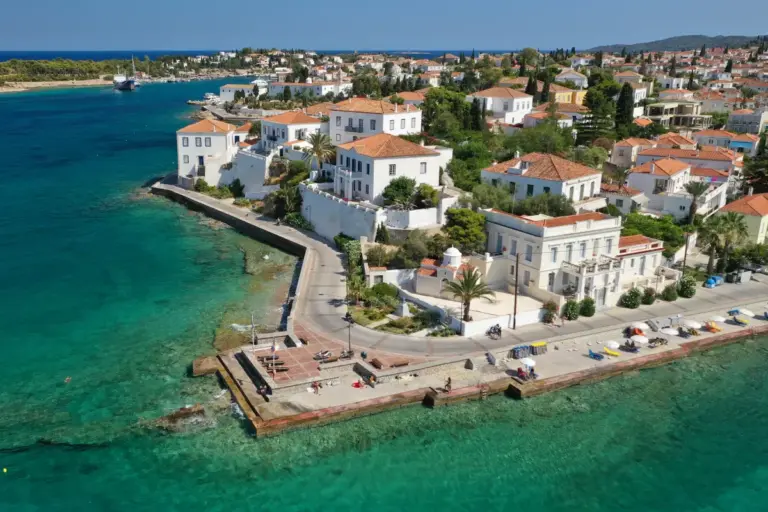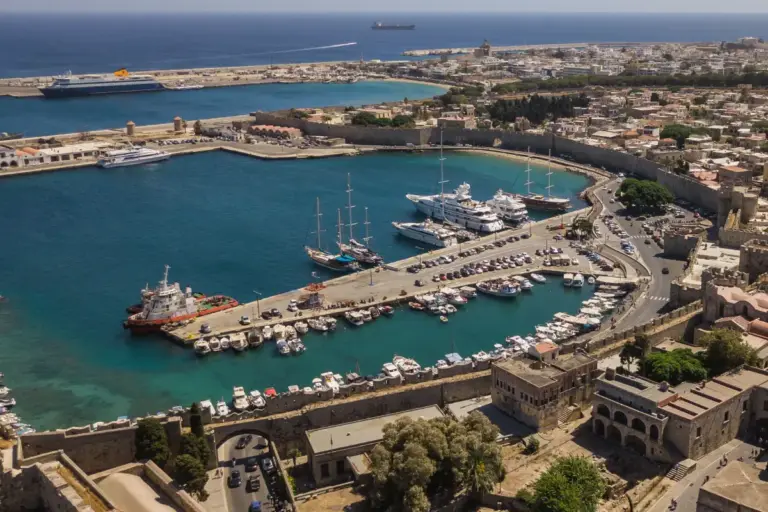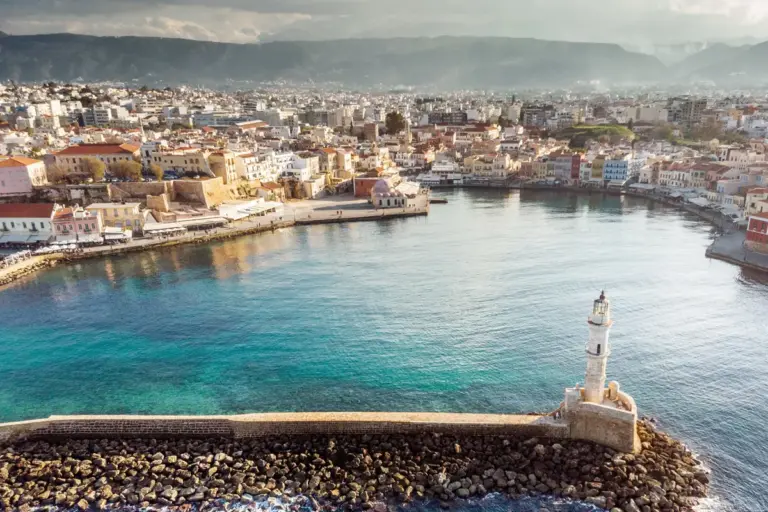

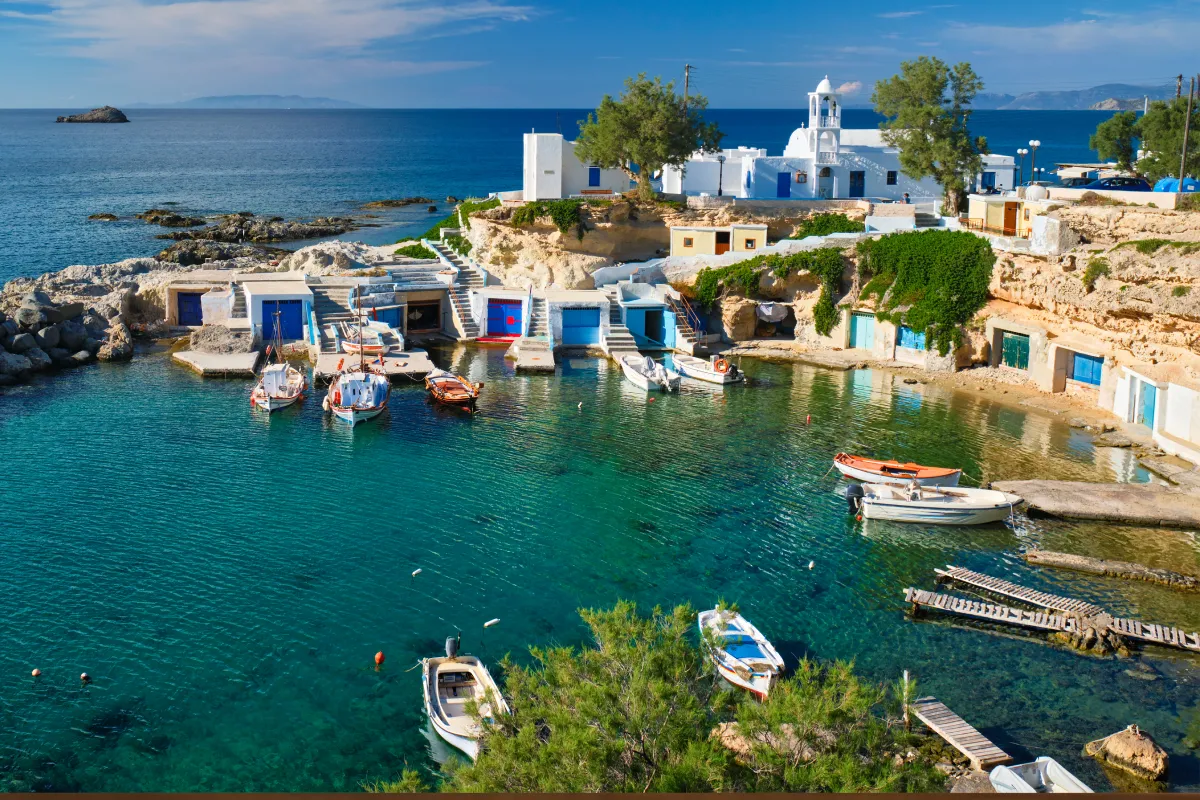
The best Greek islands to buy a house vary more than the question implies. Crete is a year-round market with city infrastructure and multiple international airports. Rhodes has a long tourist season and a stable local economy. Mykonos and Santorini are premium luxury markets. Corfu, Naxos, and Paros occupy different positions again. The island that makes sense depends on what the property is for, what the buyer can spend, and how much logistical complexity they are prepared to manage.
Why buy a house on a Greek island
The Greek islands are not one market. They are dozens of distinct markets that share a geography and a legal framework but differ in price level, accessibility, legal complexity, liquidity, and practical suitability for different types of buyer. An island with a long tourist season and direct international flights is a fundamentally different purchase from a smaller island reachable only by ferry. A heritage-protected village property in the Cyclades carries legal constraints that a modern apartment in Heraklion does not.
What draws international buyers consistently is the combination of coastal access, established tourism infrastructure, and property prices that remain below comparable Mediterranean destinations in Spain, Portugal, and southern Italy. According to Bank of Greece data, the “rest of Greece” category, which covers island and rural markets, grew 8.5% year on year in Q3 2025, with individual islands outperforming that figure significantly. Rhodes was up 22.4% year on year in January 2026 according to Indomio. The macro case is sound, but it operates differently on each island.
The practical considerations that shape island purchases are also specific to Greece. Non-EU buyers purchasing on islands near designated border zones require prior ministerial authorisation under Article 24 of Law 1892/1990 — a requirement that does not apply on the mainland in the same way and that affects a number of Dodecanese islands including Rhodes and Kos. Several islands have Natura 2000 designations that restrict what can be built or modified on coastal or rural plots. The Dodecanese has its own cadastral history rooted in the Italian administration period from 1912 to 1947, which means title verification on Kos or Leros requires different checks from those on Crete or Corfu. These are not reasons to avoid the islands. They are the reasons why knowing which island you are buying on, and what the legal profile of that specific island looks like, matters before any commitment is made.
Crete: the largest and most complete island
Crete offers one of the most diverse and resilient property markets of all the Greek islands. Its size and population mean it has a level of infrastructure and year-round activity closer to that of the mainland than of smaller islands.
The property market is varied, ranging from affordable apartments in urban areas to high-end villas in coastal and rural locations. Prices range from roughly €1,800 to €2,500 per square metre in Heraklion, to €2,500 to €3,500 per square metre in coastal Chania, with luxury properties in Elounda exceeding €4,000 per square metre, according to Spitogatos data for 2025.
The main urban centres, such as Heraklion, Chania and Rethymno, offer amenities such as hospitals, universities and public services, as well as year-round commercial activity, making them ideal for permanent residence and investment.
Crete benefits from a mild climate, robust road infrastructure and multiple international airports with regular connections to major European cities. These factors support quality of life and rental demand. However, buyers should be aware that some coastal areas, particularly those heavily reliant on tourism, have higher prices and may be more seasonal in character.
For a detailed guide to legal considerations and prices by province, see our guide to buying a house in Crete.
Corfu: historical charm and European connections
Thanks to its architectural heritage, green landscape and proximity to mainland Europe, Corfu has long attracted international buyers. The island successfully combines historical character with a relatively accessible property market outside the most touristy areas.
There is a well-established community of foreign residents on the island, supported by international services and English-speaking professionals. Property prices vary significantly by location, and there are still competitive opportunities available in less popular inland areas or on the less crowded coast. Prices range from approximately €1,500 to €2,000 per square metre in inland areas to €2,500 to €3,000 per square metre in established coastal locations, according to Spitogatos data for 2025.
From an investment perspective, Corfu offers solid potential for tourist rentals during the season, particularly in well-connected areas. However, buyers should consider access, maintenance logistics and the balance between seasonal demand and year-round use when assessing long-term suitability.
Rhodes: year-round sunshine and cultural heritage
Rhodes boasts a strong cultural identity, a relatively stable local economy, and a long tourism season. Its size and population mean that it can support a range of services, making it suitable not only for holiday homes, but also for longer or permanent stays.
Property opportunities can be found in both Rhodes and the surrounding coastal villages, where buyers may find more space and a quieter environment. Prices averaged approximately €2,420 per square metre island-wide as of January 2026 according to Indomio, with year-on-year growth of 22.4%. Coastal and heritage areas command a premium above this average.
The island strikes a balance between tourism-driven activity and everyday living, particularly outside the peak months.
Rhodes has good international connections, with regular flights from multiple European hubs, making it accessible for owners and visitors. As with other islands, however, careful legal and planning checks remain essential, especially for older properties or those in areas subject to heritage or zoning restrictions.
For the full legal profile of the Dodecanese and what it means for buyers, see our guide to buying property in Rhodes.
Santorini and Mykonos: for luxury buyers and tourism-focused investments
Santorini and Mykonos are at the top end of the Greek island property market. Both islands are internationally renowned destinations, particularly popular in the luxury and high-end tourism sectors.
Property prices are significantly higher than on most other islands, reflecting limited supply, strict building regulations and sustained international interest. The market largely caters for holiday homes and luxury villas, which are often purchased for short-term rental or as part of a diversified investment portfolio.
While demand for high-quality accommodation remains strong, the market is highly competitive and increasingly regulated. Prospective buyers should be aware that entry costs are high, availability is limited, and returns depend heavily on location, property quality, and compliance with rental and planning regulations. Quality villas on Mykonos start from €500,000 and regularly exceed several million euros. Santorini operates at comparable levels, with entry points around €400,000 to €600,000 for smaller properties.
These islands are generally less suited to buyers seeking year-round residential living, being more appropriate for those focused on lifestyle prestige or tourism-driven investments.
Naxos and Paros: authentic alternatives in the Cyclades
Naxos and Paros are increasingly regarded as balanced alternatives within the Cyclades. They offer a more authentic and less crowded environment than the region’s most famous islands.
Both islands have a strong local identity and year-round communities, and are still benefiting from growing interest from tourists. Although property prices have increased in recent years as buyers seek value combined with long-term potential, they remain generally more accessible than in Santorini or Mykonos.
Indicative prices on Paros and Naxos range from €2,500 to €4,000 per square metre for quality residential properties in desirable locations, according to Spitogatos data for 2025.
These islands strike a good balance between tourism and residential living. They are ideal for those looking for holiday homes with rental potential, as well as for those considering longer stays or permanent relocation. As with all Cycladic islands, it is important to pay careful attention to planning rules, zoning restrictions and infrastructure availability when evaluating specific properties.
Other islands of interest for buying a home
The islands in this section occupy a different position in the market from the major destinations covered above. They are smaller, less internationally prominent, and in most cases more affordable. What they share is a genuine local economy and a property market that operates on tourism and residential demand rather than luxury positioning. For buyers who want island living without premium pricing or high logistical complexity, they are worth understanding alongside the better-known options.
Kos: lively but more affordable
Compared to other islands in the Dodecanese, Kos has an active tourism sector and a relatively accessible property market. It boasts good infrastructure, a compact layout and consistent seasonal demand. Property prices are generally more affordable, making Kos an attractive option for buyers seeking rental potential without the premium prices of larger or more exclusive islands.
Skiathos and Skopelos: natural beauty and seasonal tourism
Skiathos and Skopelos are renowned for their stunning natural landscapes and crystal-clear waters, which make them particularly appealing to summer visitors. The property market is more seasonal, with demand concentrated in the peak months. These islands are ideal for buyers looking for holiday homes or seasonal rentals, although year-round living options and services may be more limited.
The smaller Ionian Islands: lower entry points and selective opportunities
The smaller Ionian islands, such as Paxos, Ithaca and Kythira, offer a quieter environment and, in some cases, lower property prices. While these markets are less liquid and more location-specific, they can appeal to buyers who prioritise tranquillity over short-term rental performance.
How to choose the right Greek island
Choosing the right Greek island involves more than just comparing destinations or property prices. Prospective buyers should start by assessing their budget alongside practical factors such as transport links and accessibility throughout the year, as well as the lifestyle they intend to lead. Islands with frequent flights or reliable ferry connections offer greater flexibility, particularly for owners who plan to travel regularly or host visitors.
It is also important to distinguish clearly between a purchase made primarily as an investment and one intended for personal use as a second home. While islands that perform well for short-term rentals during the high season may be appealing, they may not necessarily offer the same level of comfort or services for year-round living. Conversely, islands suited to permanent or semi-permanent residence may prioritise stability and services over peak-season rental yields.
Access to essential services should be evaluated early in the decision-making process. The proximity of hospitals, clinics, pharmacies, schools and administrative services can vary significantly from one island to another and even within the same island. These factors are particularly relevant for buyers planning longer stays, relocation or family use.
By aligning their budget, intended use and practical infrastructure requirements from the outset, buyers can narrow their options to islands that genuinely match their needs, rather than making decisions based solely on reputation or short-term trends.
Buyers should also be aware that many island areas are subject to special planning regimes, environmental protections or zoning restrictions that can affect what can be legally built or modified.
Final considerations when choosing a Greek island
Choosing a Greek island for a property purchase is not primarily a lifestyle decision. It is a sequence of three practical questions: what is the property for, what level of logistical complexity is the buyer prepared to manage, and what does the legal profile of the specific property look like.The first question determines which islands are even relevant. A seasonal holiday home and a year-round residence lead to very different shortlists. An investment-driven purchase on a tourism-heavy island with high short-term rental demand looks entirely different from a permanent relocation to an island with a stable local population and full-year services.
The second question is underweighted in most island searches. Ferry dependence, seasonal flight schedules, and the distance from specialist medical care are not inconveniences, they are structural features of island life that become more significant the longer and more frequently you intend to use the property. Visiting in person, in the off-season if possible, gives a more accurate picture than any amount of summer research.
The third question is the one that requires professional input before any commitment. Island properties carry legal specifics that do not appear in listings: Natura 2000 restrictions on coastal or rural plots, heritage protections on older buildings, the Dodecanese cadastral history that affects title verification on islands like Kos and Rhodes, and the border zone authorisation requirement for non-EU buyers on certain Aegean islands. A title check resolves all of these before you commit to anything. If you are drawn to quieter, less prominent destinations, a number of lesser-known Greek islands also offer stable communities and more measured markets worth considering alongside the options covered here.
None of this makes island purchasing complex in a discouraging sense. It makes it specific. The buyers who navigate it well are the ones who know what questions to ask before they fall in love with a property, and so avoid all legal risks that are not visible in listings.
Which island is right for your purchase?
The right Greek island for a property purchase is defined by three things: what the property is for, how much logistical complexity the buyer is willing to accept, and what the legal profile of the specific property looks like. An In-Depth Property Consultation is where those three questions get answered for your specific situation, whether you are comparing islands or evaluating a property on one you have already chosen.