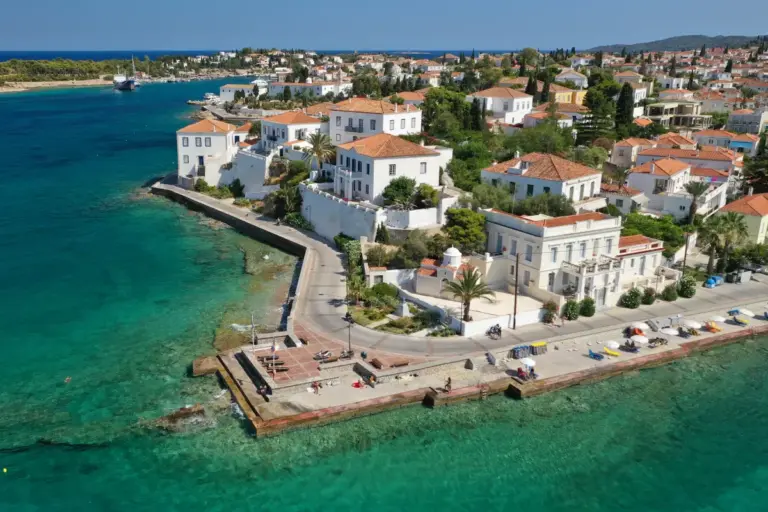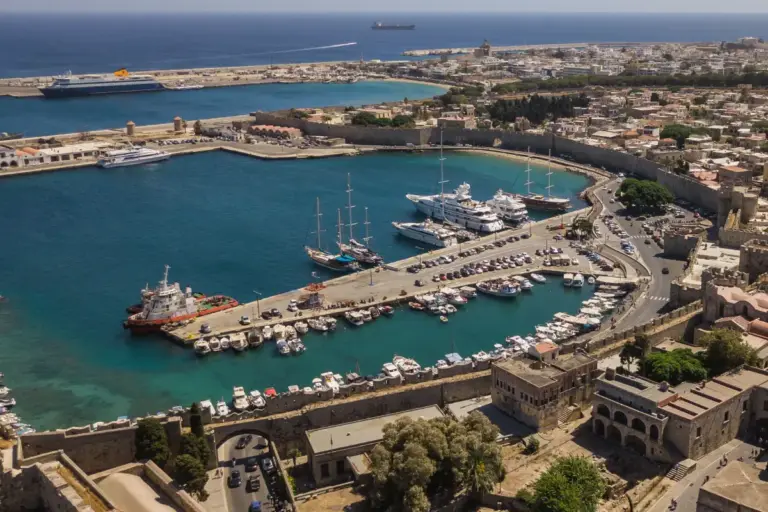


Buying a holiday home in Greece offers the opportunity to enjoy the country while also considering long-term lifestyle and financial factors, making it an appealing choice for international buyers who want flexibility rather than permanent relocation.
Why Greece is a particularly good choice for buying a holiday home
Buying a holiday home in Greece appeals to international buyers for reasons that extend beyond the mere ownership of property. Compared to other Mediterranean destinations, Greece offers relatively accessible property prices, flexible usage options and strong seasonal demand, without requiring a year-round commitment.
From a lifestyle perspective, Greece enables owners to enjoy long stays in a familiar European legal environment with a climate ideal for extended holidays and off-season use. Many areas offer direct international connections, well-established local services and communities accustomed to part-time residents, which makes ownership simpler even when the property is not being used continuously.
A holiday home can also serve a dual purpose. When not in personal use, properties in well-chosen locations can be rented to tourists, helping to offset ownership costs. Unlike purely investment-driven purchases, owning a holiday home enables you to balance personal enjoyment with rental income, provided you properly understand and plan for local regulations and tax obligations in advance.
Legal requirements for purchasing a second home in Greece
International buyers, including both EU and non-EU nationals, are generally permitted to buy a second or holiday home in Greece. The country does not impose ownership bans based on nationality, so citizens from countries such as the UK, the United States, Canada, Australia and most EU member states can legally purchase residential property.
However, the legal framework distinguishes between EU citizens and non-EU nationals in certain circumstances. While EU citizens benefit from freedom of movement and fewer administrative steps, non-EU buyers may be subject to additional checks or authorisations, particularly when purchasing property in certain geographical areas. While these requirements do not prevent ownership, they do affect timelines and documentation.
Required documents (overview)
When purchasing a second home in Greece, buyers must complete a set of specific legal and administrative formalities. At a minimum, buyers should expect to provide the following:
- Valid passport or national identity document
- Greek tax identification number (AFM)
- Proof of funds and source of funds documentation
- Greek bank account details (commonly required in practice)
- Power of attorney, if the buyer does not wish to be present in Greece
The exact documentation required may vary depending on the buyer’s nationality and residency status, as well as on whether the purchase is made as an individual or through a legal entity.
Special restrictions in sensitive areas
Greek law imposes additional requirements on non-EU nationals purchasing property in designated border or sensitive areas, such as certain islands near external borders or regions of military significance. These rules are linked to national security considerations and require prior administrative approval before the transfer of ownership can proceed.
These restrictions do not apply uniformly across Greece and are location-specific. Therefore, international buyers considering purchasing a holiday home on an island or in a border region should verify early on whether special authorisation is required, as this can affect the feasibility and timing of the purchase.
The best locations to buy a holiday home in Greece
Greece offers a wide range of locations suited to owning a holiday home, and preferences vary depending on lifestyle goals, travel patterns and how the property will be used. International buyers tend to focus on areas that offer accessibility and established infrastructure while still providing the flexibility to use the property part-time.
Popular island destinations among international buyers include Crete, Corfu, Rhodes, and Santorini. Crete attracts buyers looking for size, year-round services and international flight connections, making it ideal for extended stays. Corfu is popular with buyers from across Europe thanks to its lush green landscape, historical character, and strong demand for summer rentals. Rhodes strikes a balance between established tourism and stable local life, while Santorini mainly appeals to buyers focused on premium locations and high-end holiday use rather than value for money.
Beyond the best-known islands, many international buyers are increasingly exploring locations that are less driven by tourism and offer better value and a more authentic environment. Islands such as Naxos and Paros, as well as parts of the Ionian and northern Aegean regions, can provide lower property prices, reduced seasonality and a stronger sense of local community. These areas often appeal to buyers who prioritise personal use over short-term rental performance.
The location also depends on whether the property is situated in a town, village, or coastal area. Towns usually offer easier access to services, healthcare, and transport links, making them more suitable for long stays. Coastal properties are attractive for holiday use and rentals, but they tend to be more expensive and subject to greater seasonality. While villages can offer charm and value, buyers should carefully consider accessibility and infrastructure, particularly if the property will be used outside the peak summer months.
Ultimately, choosing the right location for a holiday home in Greece is about finding the right balance between enjoyment, practicality, and long-term sustainability. Understanding how different areas function throughout the year helps international buyers select a location that aligns with their lifestyle expectations and ownership plans.
Tax aspects and expenses to consider
When buying a holiday home in Greece, it is important for international buyers to factor in a combination of one-off purchase taxes and ongoing ownership costs from the outset. While overall costs remain competitive compared to those in many other Mediterranean countries, it is essential to understand how and when these taxes apply in order to avoid any surprises.
At the time of purchase, buyers must pay property transfer tax or VAT on new builds, depending on the property’s age and status. These taxes must be paid before the notarial deed can be signed and are calculated based on the declared value of the transaction. Notary fees and land registry charges also apply as part of the formal transfer process.
Beyond taxes, buyers should account for professional fees, including notary costs and, where applicable, estate agency commissions. Although agency fees are usually paid by the seller, this may vary depending on the agreement, so it is important to clarify this early on. Ongoing ownership also involves maintenance expenses, particularly for holiday homes in coastal or tourist areas, where building maintenance and shared condominium costs may be higher.
Recurring costs include utilities such as electricity and water, as well as the annual local property tax (ENFIA), which is payable regardless of whether the property is used year-round. While these expenses are generally manageable, they should be planned for in advance, particularly by owners who only use the property seasonally. Having a clear overview of both initial and ongoing costs helps to ensure that owning a holiday home in Greece remains financially predictable and sustainable.
Holiday homes in Greece as an investment: what you need to know
Many international buyers consider purchasing a holiday home in Greece, both for personal use and as a source of income when the property is unoccupied. While this can be an effective strategy, it is important to understand the regulatory and practical framework that applies to tourist rentals.
While renting a property to tourists in Greece is permitted, it is subject to specific registration and licensing requirements. Properties used for short-term rentals must be registered with the relevant authorities, and rental activity must be declared for tax purposes. Additional rules may apply depending on the property’s type, location, and the services offered beyond simple accommodation. Failure to comply with these requirements can result in penalties, so prior legal and tax planning is essential.
In popular tourist destinations, holiday homes can generate attractive seasonal returns, particularly during the peak summer months. Properties on islands and in coastal areas with strong international demand and good accessibility tend to perform best. However, returns depend heavily on factors such as property quality, location, management and seasonality. Prospective buyers should avoid assuming uniform profitability and instead assess realistic income expectations based on local market conditions.
It is also important to distinguish between personal use with occasional rental and pure investment. A property intended primarily for personal use may generate additional income, but the owner’s personal needs will often shape the availability, furnishings, and pricing. By contrast, investment-focused purchases require a more commercial approach, including professional management, consistent availability and careful cost control. Understanding this distinction from the outset helps buyers to choose a property and ownership structure that aligns with their objectives, avoiding mismatched expectations later on.
Practical tips for choosing the right holiday home
When choosing the right holiday home in Greece, it is important to consider more than just location and aesthetics. Before committing to a purchase, international buyers should ensure that the property complies fully with legal and urban planning regulations. This includes having a clear title, valid building permits and conforming to local zoning rules. These checks are essential to avoid restrictions on use, issues with future resale, or difficulties with rental activity.
A specialised property solicitor can provide valuable guidance on holiday home purchases, which often involve additional considerations such as short-term rental eligibility and seasonal use. A solicitor can carry out due diligence, explain contractual terms clearly, and coordinate with the notary and tax authorities. At the same time, collaborating with a local estate agent who is familiar with the area can offer valuable insights into neighbourhood dynamics, pricing, and the property’s realistic rental potential.
Practical factors should also be assessed carefully. Accessibility is paramount, particularly for properties intended for short stays or frequent visits. Proximity to airports, ferry ports, and main road connections should be considered, as well as access to services such as shops, healthcare facilities, and year-round infrastructure. Taking these factors into account from the outset helps to ensure that the holiday home remains enjoyable, usable and manageable over time.
From holiday search to legally secure purchase
Buying a holiday home in Greece involves the same legal steps as any other property purchase: title check, planning verification, tax registration, contract review, and notarial deed. What changes with a holiday home is the additional layer of considerations: short-term rental eligibility, seasonal accessibility, border zone authorisation if relevant, and annual ENFIA obligations regardless of how many weeks you spend there. An In-Depth Property Consultation covers the legal picture for your specific situation, property, and intended use before you commit to anything