
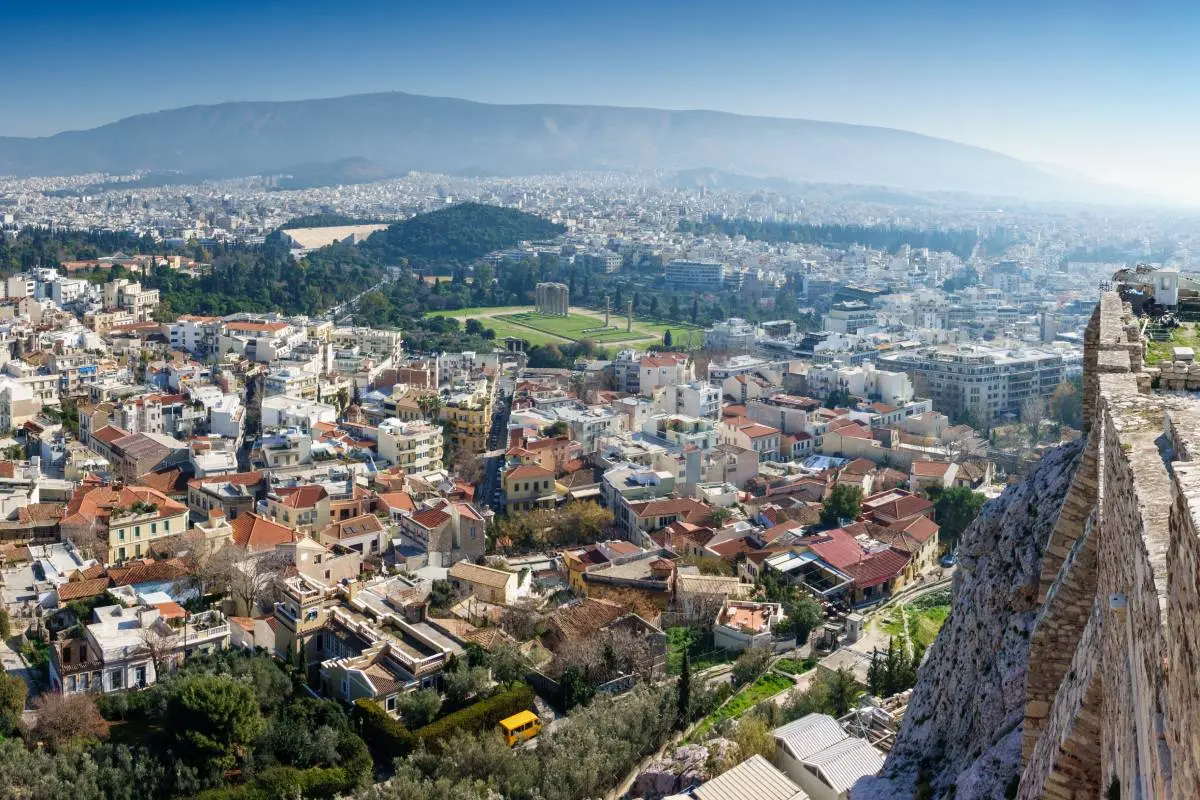
Athens is the only metropolitan property market in Greece. Every other popular destination, from Crete to the Cyclades, is a seasonal market driven primarily by tourism. Athens has year-round demand from tenants (students, professionals, expats, digital nomads), a liquid transaction market with over 9,000 residential sales in Q2 2025 alone (with nearly 40% involving international buyers), and the infrastructure of a European capital: international airport, metro system, hospitals, universities, and year-round flight connections to most European cities.
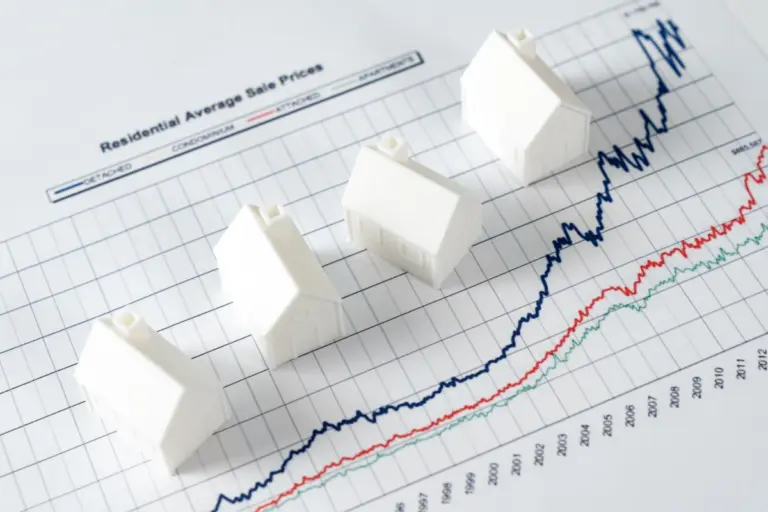
Prices have grown significantly but remain competitive in European terms. Through Q1 2026, residential prices in Athens climbed approximately 7.6% year-on-year, following average growth of around 8.6% in 2024. The national housing price index now sits more than 7% above its pre-crisis 2008 peak, with Attica (the Athens region) outperforming at 12.5% above 2008 levels. Southern suburbs and central districts have seen price increases of 20 to 30% in recent years.
The Ellinikon project, an €8 billion redevelopment of the former Athens airport on the southern coast, is a structural driver of long-term value in the Attica region. The project includes residential, commercial, and hospitality development and is expected to reshape the southern suburbs over the next decade. For buyers considering the southern coastal zone (Elliniko, Glyfada, Voula), Ellinikon is the single most important factor in the medium-term price trajectory.
Athens also functions as a logistical base for the rest of Greece. For buyers who want access to islands and other destinations, the capital offers domestic flight and ferry connections that no other Greek city matches. Many international buyers purchase in Athens precisely because it gives them a year-round base with easy access to seasonal destinations.
Athens neighbourhoods: which area fits your goals?
Athens is not one market. The difference between buying in Kolonaki and buying in Peristeri is as significant as the difference between buying in Athens and buying on a Greek island. Each zone has a different buyer profile, a different price level, and different legal and practical considerations.
Central Athens and historic centre (Kolonaki, Syntagma, Plaka, Monastiraki)
Central Athens is the prestige segment. Kolonaki commands approximately €4,000 to €5,000 per square metre, with renovated apartments in the best locations exceeding €6,000/sqm. Plaka and Monastiraki are popular for short-term rental investors, though new Airbnb licences in these areas have been suspended from 2025 as part of the government’s restrictions on short-term rentals in high-pressure zones. Syntagma and the surrounding blocks offer high visibility and demand but similarly face regulatory limits on new short-term registrations.
The density of archaeological sites and protected zones is far higher than anywhere else in Greece. Properties near designated sites may be subject to restrictions on renovation, structural modification, or changes to the building facade. These restrictions are not always evident from the listing. If you are considering a property in the historic centre, the archaeological and planning status of the building and its surroundings must be checked as part of the due diligence.
Historic properties in these areas also tend to have complex title histories, sometimes involving multiple inheritance transfers or outdated cadastral records. Title verification in central Athens requires particular care.
Emerging residential neighbourhoods (Koukaki, Pangrati, Neos Kosmos, Exarchia)
These are the neighbourhoods where most of the growth story has played out over the past five years. Koukaki and Pangrati are among the fastest-appreciating areas in Athens, with asking prices around €2,900 to €3,500 per square metre as of mid-2025. They are popular with both long-term tenants (proximity to central Athens, good transit) and short-term rental operators (where licences are still available). Neos Kosmos offers similar dynamics at slightly lower entry prices.
Exarchia is the most distinctive micro-market in Athens: historically associated with alternative culture and student life, it has lower prices (€2,000 to €2,800/sqm) but comes with specific social and real estate dynamics that buyers should evaluate carefully. The area has high rental demand from university students but a different risk profile from other central neighbourhoods.
Northern suburbs (Kifissia, Ekali, Marousi)
The northern suburbs are the traditional residential enclave for affluent Athenian families. Kifissia and Ekali are premium markets: in Ekali, over 61% of listed properties are priced above €1,000,000. These areas are built for living, not for investment yields. They offer green spaces, international schools, and a suburban lifestyle that appeals to families and long-term residents. Rental yields are lower than in central areas, and there is very little tourist demand. If you are buying to live in Athens, the northern suburbs are worth considering. If you are buying for rental income, they are typically not the right choice.
Southern suburbs and the Athenian Riviera (Glyfada, Voula, Vouliagmeni, Elliniko)
This is the most dynamic segment of the Athens market right now. Prices range from approximately €4,000 per square metre in Glyfada to over €7,300/sqm in Vouliagmeni, with new high-specification developments in some locations commanding substantially more. The southern suburbs have seen approximately 14% appreciation linked to the Ellinikon project, with further growth expected as the development progresses.
The buyer profile here is premium: second-home purchasers, expat families, and investors targeting high-end long-term rentals. Glyfada and Voula offer beach access, restaurants, and a cosmopolitan atmosphere that has drawn comparisons to the French Riviera at a fraction of the price. Vouliagmeni is the most exclusive suburb. The Ellinikon development zone is worth monitoring but is still under construction: delivery timelines and final pricing should be assessed carefully before committing.
Piraeus and western suburbs (Peristeri, Korydallos, Egaleo)
The western suburbs and Piraeus represent the most affordable segment of the greater Athens market, with prices typically ranging from €1,300 to €2,500 per square metre. This is where value-oriented investors and buyers with longer time horizons tend to focus.
Piraeus is undergoing significant regeneration, including the Faliro Bay Redevelopment (€370 million). Peristeri is a case study in how infrastructure drives appreciation: following the 2021 metro extension, property prices in the area rose by approximately 42% in the subsequent years. For buyers willing to invest in areas that are still maturing, the western suburbs offer price points that are inaccessible in central or southern Athens, with infrastructure-driven upside.
Three buyer profiles: investor, second home buyer, and Golden Visa applicant
Athens attracts buyers with fundamentally different objectives, and the distinction matters practically. The zone, the price range, the legal risks to watch, and the regulatory constraints that apply all depend on what you are actually trying to achieve.
The rental income investor
Athens offers gross rental yields of approximately 4.5 to 5% on long-term rentals in central areas, with yields up to 8% for small apartments (under 75 sqm) in high-demand tourist zones. Short-term rental (Airbnb) yields are higher but less predictable, more management-intensive, and subject to growing regulatory pressure.
In 2024, Athens introduced limits on the registration of new properties for short-term rental in specific zones. From 2025, several central neighbourhoods are under a suspension of new Airbnb registrations for properties classified as being in areas of high housing pressure. This means that if you buy a property in one of these zones with the intention of listing it on Airbnb, you may not be able to obtain the required licence. The restriction applies to new registrations; existing licensed properties can continue operating. The specific zones affected are updated periodically, and the status of any given address must be verified by a lawyer before purchase.
An additional constraint: properties acquired through the Golden Visa programme cannot be used for short-term rental. This is a programme requirement, not a local regulation, and it applies regardless of the property’s zone. If you are buying with both Golden Visa and Airbnb income in mind, these two objectives are mutually exclusive.
Long-term rental demand in Athens is structurally strong. University students, young professionals, expat workers, and digital nomads create consistent year-round demand, particularly in central and emerging neighbourhoods. For investors focused on stable, predictable income, long-term letting in the right neighbourhood remains the more straightforward strategy.
Second home or primary residence
Athens offers renovated apartments in central neighbourhoods from approximately €150,000 to €200,000, and villas in the southern suburbs from €500,000 upward. The city is a practical base for anyone who wants European urban living combined with easy access to Greek islands and the wider Mediterranean.
For buyers planning to live in Athens, the tax and residency implications deserve early attention. Greece offers a flat tax of 7% on foreign-sourced pension income for individuals buying property in Greece as a retiree who transfers their tax residency to Greece, valid for up to 15 years. Digital nomads and remote workers may also benefit from specific incentive regimes. These are not property-purchase topics, but they shape the financial case for living in Athens.
Golden Visa applicant
The Golden Visa threshold for the Athens/Attica region is €800,000 for standard residential properties, following the September 2024 increase for high-demand zones (which includes all of Attica, Thessaloniki, Mykonos, Santorini, and islands with over 3,100 residents). The €250,000 threshold remains available for commercial-to-residential conversion projects. The €400,000 threshold applies in regions not classified as high-demand.
The Golden Visa grants a five-year renewable residence permit with Schengen area travel rights, covering the investor and family members. There is no minimum stay requirement. Citizenship is possible after seven years of actual residence.
The zone classifications and thresholds are set by ministerial decree and can change. The boundaries of high-demand zones and the applicable thresholds should be verified with a lawyer at the time of purchase. Do not rely on generic online statements about ‘€250,000 Golden Visa in Athens’: this threshold applies only to specific conversion projects, not to the general residential market. For the full programme details and current thresholds, see our guide to the Greek Golden Visa.
Property prices in Athens: what to expect by zone
The ranges below are based on asking prices from Spitogatos and transaction data from the Bank of Greece, reflecting the second half of 2025 and early 2026. They are indicative and should be verified for the specific property and period. Within any zone, the price of a given property will vary based on condition (renovated vs. original), floor and lift access, proximity to metro stations, view, and outdoor space.
The central premium neighbourhoods (Kolonaki, Syntagma, Plaka) run from approximately €3,500 to €6,000 per square metre and above, with the best-positioned renovated apartments in Kolonaki exceeding that ceiling. Moving south-east into the emerging central belt, Koukaki, Pangrati, and Neos Kosmos sit at roughly €2,800 to €3,500 per square metre and have been among the strongest growth performers in the city over the past two years. Exarchia offers a lower entry point at around €2,000 to €2,800 per square metre, with a distinctive market profile discussed above.
The northern suburbs (Kifissia, Ekali, Marousi) command €2,800 to €5,000 per square metre and above in their premium residential segments, though yields here are low relative to the price. The southern suburbs and the Athenian Riviera are the most expensive zone outside the historic centre: Glyfada and Voula run from approximately €4,000 per square metre, Vouliagmeni from €7,300 per square metre, and new-build premium developments in the Ellinikon zone can exceed €10,000 per square metre.
At the accessible end of the market, the western suburbs (Peristeri, Korydallos, Egaleo) range from €1,300 to €2,500 per square metre, and Piraeus, currently undergoing regeneration, sits between €1,800 and €3,000 per square metre. These are the zones for buyers with longer time horizons and infrastructure-linked growth as the investment thesis.
Within any of these zones, condition drives significant variation. A renovated apartment with outdoor space, a lift, and proximity to a metro station in Koukaki can cost 40 to 50% more than an unrenovated unit in the same building. The per-square-metre averages above are a starting point, not a reliable guide to what a specific property will cost.
Legal specifics for buying in Athens: what differs from the rest of Greece
There are four legal and regulatory particularities in Athens that do not apply elsewhere in Greece in the same way, alongside the common risks that apply across Greece. Two of these, the Airbnb restrictions and the archaeological requirements, have a direct impact on property value. The other two, the cadastral transition and the aspects of condominium ownership requiring due diligence, apply in principle throughout Greece, but require particular attention in Athens due to the volume and age of the housing stock creating a greater potential for complications.
Ktimatologio: cadastral transition in Attica
Athens and the wider Attica region are in the process of completing the migration from the old mortgage registry system (Ypothikofilakeio) to the modern national cadastre (Ktimatologio). For some properties, particularly in older central neighbourhoods and peripheral areas, the cadastral status may be partial or in the process of being updated. Before purchasing any property in Athens, your lawyer must verify the property’s registration in the Ktimatologio. Discrepancies between the registered title and the physical property, or incomplete cadastral entries, require resolution before the transaction can proceed.
Archaeological and heritage restrictions
Athens has a density of archaeological sites, listed buildings, and protected zones that is far higher than the Greek average. Properties in and around central Athens, particularly near the Acropolis, the Roman Agora, Kerameikos, and other designated sites, may be subject to restrictions that limit renovation scope, prohibit structural modification, or require approval from the Archaeological Council for changes to the building’s exterior. These restrictions are not always disclosed in property listings. A property offered at a discount in a protected zone may be discounted precisely because its renovation or development potential is constrained. Your lawyer should check the archaeological and planning classification of any property you are considering in central Athens.
Short-term rental restrictions
This issue is covered in the buyer profiles section above but deserves separate emphasis as a legal point. The restrictions on new Airbnb registrations in specific Athens zones are regulatory decisions that directly affect the property’s income potential. They are not theoretical: they are enforced, and they change the economics of a purchase. If your investment thesis depends on short-term rental income, the legal status of the specific address is a due diligence item, not an afterthought.
Polykatoikia: condominium-specific considerations
The vast majority of Athens apartments are in multi-unit buildings (polykatoikia) with shared common spaces and a condominium management structure. Due diligence for an Athens apartment should include review of the condominium’s internal regulations, the history of general assembly decisions, any outstanding debts of the condominium (shared expenses, maintenance arrears), and the status of any planned or approved renovation works. Condominium debts can, in some circumstances, create complications for new owners.
The buying process in Athens: key steps and practical considerations
The Athens market moves faster than most locations in Greece. The average time on market for a well-priced property in a sought-after neighbourhood is around 45 to 75 days, and quality listings in Koukaki, Pangrati, or the southern suburbs do not sit available while buyers get organised.
This makes preparation more important than in slower markets: having your AFM (Greek tax number), your bank account, and legal representation in place before you begin viewing properties is not optional if you want to compete for the best listings.
Estate agent commissions in Athens are typically 2 to 3% of the sale price. Whether the commission falls to the buyer, the seller, or is split varies by transaction: clarify this before you engage with any agent. In a market with high international demand, legal representation that is independent from the agent is not a courtesy recommendation. It is the only way to ensure that the due diligence reflects your interests, not the transaction’s momentum.
Athens is well suited to remote transactions. The market infrastructure, including digital cadastre access, electronic tax filing, and notaries experienced with international buyers, is more developed than in most island markets. The entire purchase can be completed via power of attorney. What that process involves in practice, including the documents required, is set out in the step-by-step guide to buying property in Greece.
Rental yields and investment returns in Athens
Gross yields on long-term residential rentals in central Athens average approximately 4.5 to 5%, with smaller apartments (under 75 sqm) in high-demand areas achieving up to 8% gross. The strongest yields are in emerging central neighbourhoods (Koukaki, Pangrati, Neos Kosmos) and near universities. The weakest yields are in premium residential areas (Kolonaki, Kifissia, Vouliagmeni) where purchase prices are high relative to achievable rents.
Where short-term rental licences remain available, Airbnb yields can exceed long-term yields, but they are less predictable, more management-intensive, and subject to seasonality and the evolving regulatory environment described above. New licence availability is the critical variable. If a property cannot be licensed for short-term rental, the yield comparison is irrelevant.
Athens property prices have risen approximately 7 to 9% annually since 2022. For 2026, projections are for more moderate growth of 4 to 7%, with Athens expected to outperform the national average. Attica property values are now approximately 12.5% above their pre-crisis 2008 peak, confirming a structural recovery rather than a temporary rebound.
The figures above are gross. The net yield after deducting annual property tax (ENFIA), rental income tax (15 to 45% progressive), condominium charges, maintenance, vacancy, and management costs is meaningfully lower. A realistic net yield estimate requires a property-specific analysis.
Frequently asked questions
Athens has become one of Europe’s most closely watched property markets, attracting international buyers seeking a certain lifestyle, good investment returns, the opportunity to obtain residency, and comparatively lower entry prices than in many other Western European capital cities. Demand has been driven by urban regeneration, growing tourism, foreign investment and major infrastructure projects. However, the market has also become more regulated and complex than many buyers anticipate.
The following questions explain the practical realities of buying property in Athens in 2026, including who can buy, how the Golden Visa rules work, which neighbourhoods suit different investment strategies, typical apartment prices across the city, and the legal and regulatory risks that foreign buyers should understand before purchasing.
Can foreigners buy property in Athens?
Yes. There are no restrictions on property purchases by foreign nationals in Athens. EU citizens can buy on the same terms as Greek nationals. Non-EU citizens (including British, American, Canadian, and Australian buyers) can also buy freely in Athens, as the city is not classified as a military border zone. The only universal requirement is a Greek tax number (AFM). Buying property and obtaining a Golden Visa are two separate processes: you can buy without applying for the Golden Visa.
What is the minimum investment for the Golden Visa in Athens?
The threshold for standard residential property in Athens/Attica is €800,000, following the September 2024 reclassification. The €250,000 threshold applies only to commercial-to-residential conversion projects. The €400,000 threshold applies in regions not classified as high-demand. Do not rely on generic claims of ‘€250,000 Golden Visa in Athens’: this is accurate only for specific conversion projects. The zone classifications and thresholds are subject to change by ministerial decree.
Which neighbourhood in Athens is best for investment?
It depends on your objective. For long-term rental yield, Koukaki, Pangrati, and Neos Kosmos offer the strongest combination of tenant demand and purchase price. For long-term capital appreciation, the southern suburbs (particularly the Ellinikon zone) have the strongest structural drivers. For quality of life and prestige, Kolonaki, Kifissia, and Glyfada lead. Note that several central neighbourhoods have restrictions on new Airbnb registrations: if short-term rental is your strategy, verify the licence status of the specific address before purchasing.
Can I rent out my Athens property on Airbnb?
It depends on the location. From 2024 to 2026, Athens introduced restrictions on new short-term rental registrations in areas classified as being under high housing pressure. Several central neighbourhoods are under a suspension of new Airbnb licences. The restrictions apply to new registrations, not to existing licensed properties. The specific zones and rules are updated periodically. If your purchase is motivated by short-term rental income, you must verify the licensing status of the specific address with a lawyer before committing.
How much does an apartment cost in Athens?
Prices vary enormously by neighbourhood. In emerging central areas (Koukaki, Pangrati), a 70 to 90 sqm apartment costs approximately €200,000 to €315,000. In Kolonaki, the same size costs €280,000 to €450,000 or more. On the Riviera (Glyfada, Voula), €280,000 to €650,000+. In western suburbs (Peristeri), €90,000 to €175,000. Within any neighbourhood, condition, floor, lift, and view drive significant variation.
What are the risks of buying property in Athens?
The Athens-specific risks include: complex title histories in historic-centre properties, archaeological and heritage restrictions that limit renovation in protected zones, evolving short-term rental regulations that can affect income projections, condominium-level debts or disputes in older apartment buildings, and the competitive market dynamic that can pressure buyers into skipping due diligence. All of these are manageable with proper legal support.
Athens Is a Market Where Preparation Pays
Athens has more moving parts than most Greek property markets. The Airbnb licensing status of a specific address, the archaeological classification of a building in the historic centre, the cadastral position of a property mid-migration, the condominium’s financial history: these are not abstract risks. They are the questions that determine whether a purchase is sound, and they are not visible in a listing.
Having legal representation that covers these systematically before you commit is the starting point. The Athens office is where the team is based, which means this market is not handled at a distance. If you are at the stage of evaluating a specific property or comparing options across neighbourhoods, that is the right moment for a legal strategic conversation.