

For international buyers, understanding how to buy a house in Greece involves more than identifying the right property. The process follows a legal and administrative framework that differs from many other countries and requires active involvement at each stage.
The Greek property market in 2026
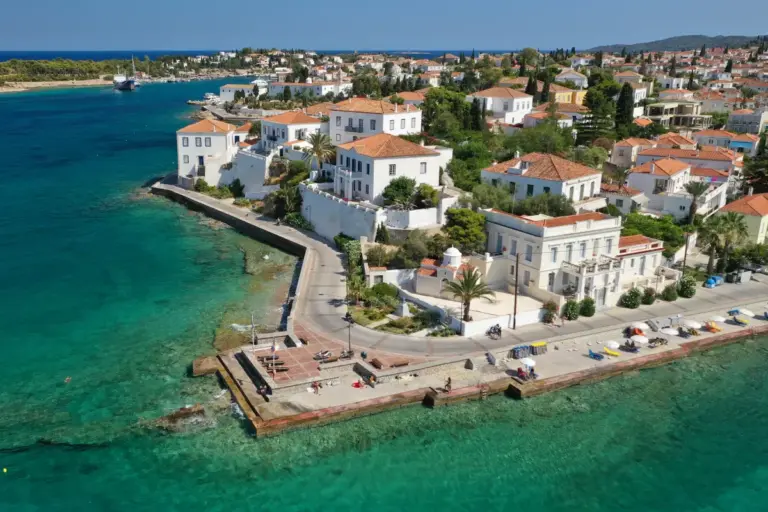
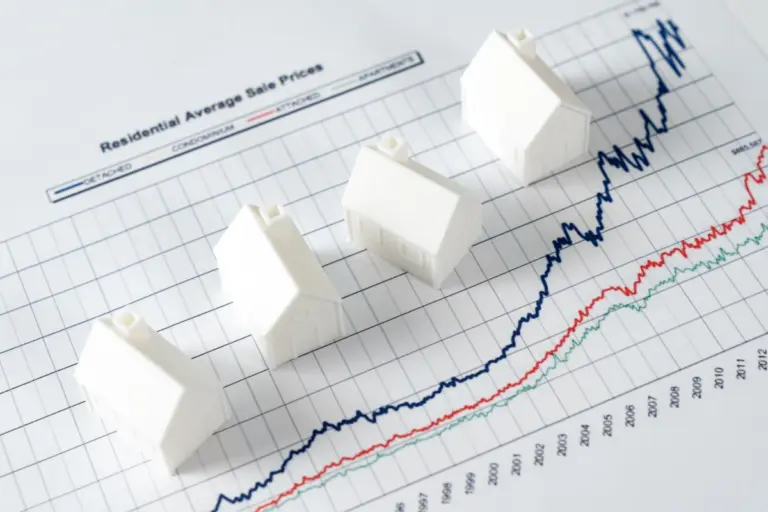
In 2026, the Greek property market continues to attract significant interest from international buyers looking for a blend of lifestyle attractions, reasonable prices, and long-term value within the European Union. Demand remains particularly steady in major cities, regional hubs and well-connected islands. Although prices are rising in certain areas, they remain competitive compared to many other Mediterranean and Western European markets. Prospective buyers are attracted by the climate, quality of life, and the opportunity to use property for personal use and as a long-term investment.
At the same time, Greece offers a well-established legal framework for real estate transactions that operates differently to that of many other countries. Non-Greek citizens are generally permitted to buy property, with broad access for both EU and non-EU buyers. However, the process is not automatic. Foreign buyers must actively complete specific legal and administrative steps, including tax registration, compliance checks, and formal verification of the property’s legal status.
Understanding these legal considerations is therefore essential. Unlike systems where much of the legal verification is carried out before a property is marketed, the responsibility for due diligence largely rests with the buyer and their advisors in Greece. Therefore, early legal preparation is a vital part of entering the Greek property market in a structured and secure way, particularly for foreign buyers who are unfamiliar with local procedures.
Understanding Greek property laws for foreigners
Under Greek law, foreign nationals are permitted to purchase property in Greece; however, the process involves specific legal and administrative requirements that must be fulfilled prior to the transfer of ownership. Both EU and non-EU buyers can purchase real estate, subject to a limited number of restrictions in designated border areas. In all cases, it is the responsibility of the buyer to ensure that the legal conditions for the transaction are met.
One of the first and most important of these is obtaining a Greek tax identification number (AFM). This is mandatory for any property-related activity, including signing contracts, paying taxes and registering ownership. This can be obtained from the Greek tax authorities in person or via a legal representative acting under a power of attorney. It should be arranged at an early stage, ideally before making a formal offer.
Foreign buyers must also register with the Greek tax system and comply with local anti-money laundering rules. This includes declaring the source of the purchase funds and ensuring that all payments are made via the banking system. While opening a Greek bank account is not legally mandatory, it is often required in practice to pay purchase taxes, notary fees and other costs related to the transaction. It can also simplify the overall process.
How to find the right property in Greece
Finding the right property in Greece requires a combination of local knowledge, realistic expectations and careful consideration. Foreign buyers often start their search online, using property portals and agency websites to familiarise themselves with pricing levels, locations, and availability. While these online resources are useful for initial research, they should be treated as a starting point rather than a substitute for on-the-ground verification.
Working with estate agents can help to narrow down options and arrange viewings, which is particularly useful for buyers who are not based in Greece. However, it is important to understand that estate agents in Greece primarily represent the seller and are not responsible for verifying the property’s legal or technical status. For this reason, any information provided during viewings should be independently verified before any commitment is made.
When evaluating a property, foreign buyers should look beyond surface features and focus on elements that affect long-term value and legal security. This includes checking the location and accessibility of the property, ascertaining whether it is suitable for year-round use and assessing factors such as the quality, age and maintenance of the building. Particular attention should be paid to whether the property has a clear title, the correct building permits and no outstanding planning issues, as these aspects can directly impact the purchase process and the property’s future resale value.
Taking a structured approach to property selection helps to avoid common pitfalls and reduces the risk of unexpected complications arising later in the transaction. Combining market research with professional legal checks ensures that the chosen property is attractive and suitable from legal and practical standpoints.
Best cities to buy a house in Greece
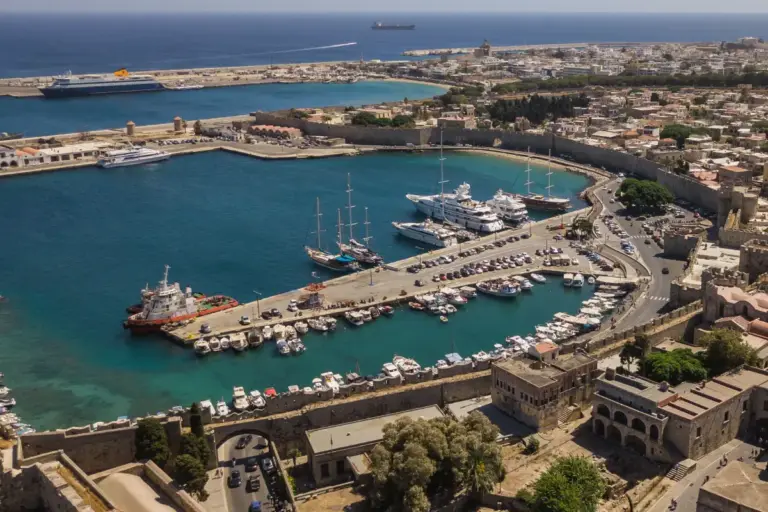
International buyers often prioritise cities that offer year-round services, good transport links, and well-established property markets. While Greece has many urban areas that meet these criteria, a few cities consistently attract international buyers due to their accessibility, infrastructure, and long-term stability.
Rather than ranking locations, the following cities illustrate the types of urban market that foreign buyers commonly consider when entering the Greek property market:
- Athens: the capital offers the largest and most liquid property market in Greece, with strong demand, extensive services, and international connectivity. It appeals to both investors and buyers seeking year-round urban living.
- Thessaloniki: Greece’s second-largest city combines a vibrant urban environment with comparatively more affordable prices than Athens. It is popular with buyers looking for long-term residence and regional growth potential.
- Heraklion: as the main urban centre of Crete, Heraklion offers a balance between city life and island living, with strong infrastructure, a large local population, and an international airport.
- Chania: Chania attracts foreign buyers seeking a smaller city with strong lifestyle appeal, good services, and consistent international demand, particularly for residential and mixed-use properties.
- Patras: a regional port city with lower entry prices, Patras appeals to buyers prioritising affordability and long-term local demand rather than short-term tourism.
Each city has different legal, practical and market characteristics. Choosing the right location is a separate decision that depends on lifestyle goals, intended use and budget. For a detailed breakdown of the main urban markets, see our guide on the Best cities to buy a house in Greece in 2026.
How to buy a house in Greece in 2026: step by step
The process of buying a house in Greece is well-defined legally and administratively. Although the steps are clear, the buyer and their advisors are largely responsible for coordination and compliance. Understanding the order of each stage enables foreign buyers to plan realistic timelines, avoid unnecessary risks and progress through the process with confidence. For a concise reference you can use during your search, see our buying property checklist.
Initial offer
Once a suitable property has been identified, the buyer will prepare an offer, outlining the proposed price and basic terms. At this stage, it is important to confirm that the necessary legal and practical conditions are in place, such as tax registration and financial readiness. Although offers in Greece are typically informal at first, they should be made carefully as they often initiate binding discussions.
Negotiating the price
Price negotiations in Greece tend to be direct and may involve several rounds, especially when the buyer’s and seller’s expectations of the market differ. Foreign buyers should base negotiations on objective factors such as the property’s condition, location and comparable sales, rather than making assumptions. It is advisable to avoid paying deposits or signing documents during negotiations until the legal status of the property has been verified.
Legal checks and due diligence
Legal due diligence is a critical step that takes place before any binding commitment. This includes verifying ownership, checking title deeds, reviewing land registry records and confirming that the property complies with urban planning and building regulations. In Greece, these checks are not carried out automatically, so it is essential for buyers to conduct their own legal review to identify any risks before proceeding.
The role of the solicitor in buying a house in Greece
A property lawyer in Greece coordinates the legal aspects of the transaction and protects the buyer’s interests throughout the process.. This includes conducting due diligence, preparing or reviewing contracts, liaising with the notary and ensuring that taxes and formal requirements are met. With a power of attorney, the solicitor can manage the process remotely, enabling the buyer to complete the purchase without being present in Greece.
Finalising the sale
Once legal checks have been completed and terms have been agreed, the transaction can be finalised. This stage involves paying the applicable purchase taxes, signing the final notarial deed and transferring funds in accordance with Greek banking and compliance rules. The notary formalises the sale and the deed reflects the final terms agreed by the buyer and seller.
Registration and post-completion steps (essential step)
After signing, the purchase deed and any mortgage must be registered with the land registry or cadastre. Registration legally completes the transfer of ownership and protects the buyer’s rights against third parties. This step may take additional time after signing and requires follow-up to ensure that ownership and any registered rights are correctly recorded.
How to finance the purchase of property in Greece: the best options for foreigners
Financing is a key consideration when planning a property purchase in Greece, especially for international buyers who need to balance affordability, timing and currency exposure. Although many purchases are completed with cash, there are several financing options available that should be evaluated early on, as these can influence both the choice of property and the transaction timeline.
One option is to obtain a mortgage from a Greek bank. Although mortgages are available to foreign nationals, lending criteria are generally conservative, particularly for non-residents. Banks focus on verified income, credit history and the legal status of the property, and typically require a significant down payment. Loan-to-value ratios are lower than in many other countries and the approval process can take a long time, so it is essential to carry out feasibility checks early on.
Some buyers opt for alternative financing solutions, such as loans secured against assets in their home country, or other forms of private financing. This approach can offer greater flexibility and faster access to funds, particularly when local mortgage approval is uncertain. However, these solutions are usually not secured against the Greek property itself and require careful consideration of the overall cost and risk.
For buyers purchasing with funds in a different currency, exchange rate risk is another important factor. Currency fluctuations can significantly impact the final cost of the purchase between the time an offer is made and funds are transferred. Careful planning of transfers, and in some cases the use of staged payments or professional currency services, can help reduce exposure and improve budget certainty.
The right financing structure for a buyer depends on their residency status, income profile and long-term plans for the property. Considering financing options alongside legal and tax implications enables foreign buyers to make more informed decisions and avoid assumptions that may not be valid once the transaction is underway.
Not all banks offer mortgages to non-resident buyers, and availability can vary significantly depending on the source of income and the jurisdiction.
Buying a property in Greece for investment or to live in
The objectives of international buyers in the Greek property market can vary, as can the purchase process depending on whether the property is intended for personal use or investment purposes. Recognising this distinction early on helps to inform decisions regarding location, budget and long-term planning.
Those buying a home to live in Greece often prioritise year-round accessibility, proximity to services and healthcare, and the overall quality of life. Legal and tax considerations primarily focus on ownership, annual property taxes, and the practical aspects of residence rather than income generation.
By contrast, investment-driven purchases are typically assessed based on rental potential, liquidity, and resale prospects. Investors must also consider factors such as rental income taxation, licensing requirements for short-term rentals, and ongoing management. While the legal framework for ownership remains the same, the financial and tax implications can differ significantly depending on how the property is used.
Clarifying the intended purpose of the purchase from the outset enables foreign buyers to align legal, tax, and practical decisions with their broader goals, helping them to avoid structural mismatches later on.
Final practical tips for buying a property in Greece
When approached with preparation and realistic expectations, buying a property in Greece can be a smooth and secure process. Foreign buyers will benefit most from familiarising themselves with the local system early on and avoiding making assumptions based on how property transactions work elsewhere.
Key practical points to keep in mind include:
- Plan sufficient time for legal checks, tax formalities, and registrations
- Ensure funding and documentation are in place before making binding commitments
- Avoid paying deposits or signing agreements before due diligence is completed
- Factor in all purchase-related costs, not just the headline price
- Seek professional guidance from advisors experienced in Greek property transactions
The Process Is Manageable With the Right Legal Support
Buying property in Greece as a foreigner follows a fixed legal sequence. Each step has specific documents, deadlines, and checks. None of it is opaque once you know where you are in the process and what comes next. The All-Inclusive Legal Buyer Package covers the entire sequence on your behalf: tax registration, due diligence, contract review, power of attorney, and representation at the notarial deed. If you want to understand how the process applies to your specific situation before committing to a property, an In-Depth Property Consultation is the right starting point.